
Little Walter: The Blues Harmonica Genius Who Died Broke
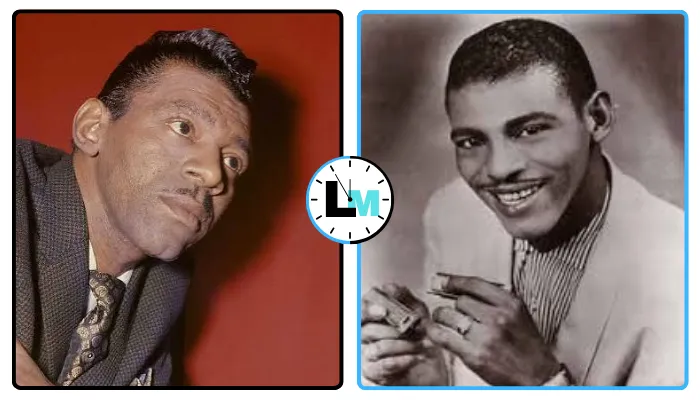
Little Walter didn’t just play the harmonica. He reinvented it. Before him, the harmonica was a folk instrument, a toy. After him, it was a force of nature, a voice that could wail, scream, and soar above electric guitars. As a member of Muddy Waters’ band and then as a solo star, he recorded a string of hits that helped define the sound of Chicago blues and, by extension, rock and roll itself. But his genius came with a price. He was a man haunted by alcoholism and violence, and when he died in 1968 at just 37 years old, he left behind a monumental musical legacy and almost no money. This is the story of Little Walter, a giant who died broke.
Quick Facts
| Attribute | Details |
|---|---|
| Full Name | Marion Walter Jacobs |
| Born | May 1, 1930, in Marksville, Louisiana, USA |
| Died | February 15, 1968, in Chicago, Illinois, USA (aged 37) |
| Nationality | American |
| Known For | Revolutionary blues harmonica player; hits like “Juke” and “My Babe” |
| Occupation | Musician, singer, songwriter |
| Years Active | 1945–1967 |
| Spouse | Information not publicly available |
| Children | One daughter (Marion Diaz) |
Early Life
Marion Walter Jacobs was born on May 1, 1930, in Marksville, Louisiana. His exact birth year is a matter of some dispute. He was born without a birth certificate, and throughout his life, he gave different years, sometimes to appear older so he could sign contracts. The year 1930 is the one he consistently used as an adult and is the one most sources cite.
He was raised in Rapides Parish, Louisiana, where he learned to play the harmonica. He quit school and, by the age of 12, had left home to travel, working odd jobs and busking on the streets of New Orleans, Memphis, Helena, and St. Louis. He honed his skills alongside older bluesmen like Sonny Boy Williamson II and Sunnyland Slim.
Career
From Sideman to Star
Little Walter arrived in Chicago in 1946 and soon joined Muddy Waters’ band, playing on many of Waters’ classic recordings for Chess Records. It was here that he revolutionized the sound of the harmonica. Frustrated with being drowned out by electric guitars, he began cupping a small microphone in his hands along with his harmonica and plugging it into an amplifier. He then pushed the amplifier beyond its intended limits, creating distorted, explosive new sounds that had never been heard from the instrument before.
In 1952, he recorded “Juke” under his own name for Chess’ subsidiary, Checker Records. The instrumental spent eight weeks at No. 1 on the Billboard R&B chart, a feat no other harmonica instrumental has ever achieved. The song launched his career as a solo artist.
The Hitmaker
Between 1952 and 1958, Little Walter scored 14 top-ten hits on the Billboard R&B charts, including a second No. 1 with “My Babe” in 1955. This level of commercial success was never achieved by his mentor Muddy Waters or his fellow Chess artists Howlin’ Wolf and Sonny Boy Williamson II. His sound was more modern and up-tempo than the popular Chicago blues of the day, blending a jazzier conception with a rhythmic urgency that set him apart.
Decline and Death
The 1960s were not kind to Little Walter. His career was curtailed by chronic alcoholism, and his temper, fueled by drink, often led to street fights. On the night of February 14, 1968, during a break at a gig at the Washington Park Roller Rink in Chicago, he was involved in a fight while walking to his car. He was struck in the head and kicked, though he was able to get up and return to the club.
The next morning, he was found dead in his apartment. The cause of death was coronary thrombosis, a blood clot in the heart, likely triggered by the injuries from the fight. He was 37 years old.
Major Achievements
- Revolutionized the Harmonica: Pioneered amplified harmonica techniques that changed the instrument’s role in music.
- “Juke”: The first and only harmonica instrumental to hit No. 1 on the Billboard R&B chart.
- “My Babe”: A second No. 1 R&B hit and a blues standard written by Willie Dixon.
- Blues Hall of Fame: Inducted in the inaugural class of 1980.
- Rock and Roll Hall of Fame: Inducted in 2008, the first and only artist inducted specifically as a harmonica player.
- Grammy Hall of Fame: “Juke” was inducted in 2008. He also won a Grammy for Best Historical Album for The Complete Chess Masters (1950-1967) in 2010.
Net Worth (Estimated)
There is no reliable public information available on Little Walter’s net worth at the time of his death. He was a working musician whose career had declined significantly by the 1960s. Despite his chart success, it is widely believed that, like many blues artists of his era, he did not receive the full financial rewards of his work due to exploitative record contracts and publishing deals. He was known to have struggled financially, and he left behind a small estate. Any specific figure would be speculation.
Editor’s Note: Net worth figures are estimates compiled from publicly available sources and may vary depending on methodology. Late Magazine does not have access to private financial records and does not present these figures as confirmed or audited.
Interesting Facts
- His First Instrument Wasn’t the Harmonica: He started out as a guitarist but switched to harmonica after being inspired by Sonny Boy Williamson II.
- A Grammy Winner, Posthumously: He won a Grammy in 2010 for a box set of his complete recordings, over 40 years after his death.
- The Only One: He is the only person ever inducted into the Rock and Roll Hall of Fame specifically for playing the harmonica.
- His Grave Was Unmarked: For over 20 years, his grave in St. Mary Catholic Cemetery in Evergreen Park, Illinois, was unmarked. A headstone was finally dedicated in 1991.
- A Foundation in His Name: His daughter, Marion Diaz, founded the Little Walter Foundation to honor his life and legacy.
Legacy
Little Walter’s influence is immeasurable. He is widely regarded as the greatest blues harmonica player of all time, a genius who took the instrument to places no one had ever imagined. His playing inspired virtually every blues harp player who followed him, from Junior Wells and James Cotton to modern masters like Charlie Musselwhite and John Popper.
But his legacy is also a cautionary tale. He was a Black artist in an era where the rewards of his talent flowed primarily to the record labels that profited from his work. He died a young man, broke and alone, a victim of the very lifestyle his music celebrated. His story is a reminder of the human cost behind some of the most joyful music ever created.
Frequently Asked Questions
Who was Little Walter?
Little Walter, born Marion Walter Jacobs, was an American blues musician and harmonica virtuoso. He is widely considered the most influential and innovative blues harmonica player of all time.
What was Little Walter’s net worth at his death?
There is no reliable public information available about his net worth. He was believed to be struggling financially and left behind a small estate.
How did Little Walter die?
He died on February 15, 1968, from coronary thrombosis, a blood clot in the heart, which was likely triggered by injuries sustained in a street fight the night before.
What is Little Walter’s most famous song?
His most famous songs are “Juke,” a No. 1 instrumental, and “My Babe,” a No. 1 vocal hit.
Was Little Walter in Muddy Waters’ band?
Yes. He was a key member of Muddy Waters’ band from 1948 to 1952 and continued to play on many of Waters’ recording sessions for Chess Records throughout the 1950s.
Is Little Walter in the Rock and Roll Hall of Fame?
Yes. He was inducted in 2008, making him the first and only artist to be inducted specifically as a harmonica player.
Read More: Dave Cutler Net Worth: The Engineer Behind Windows NT