
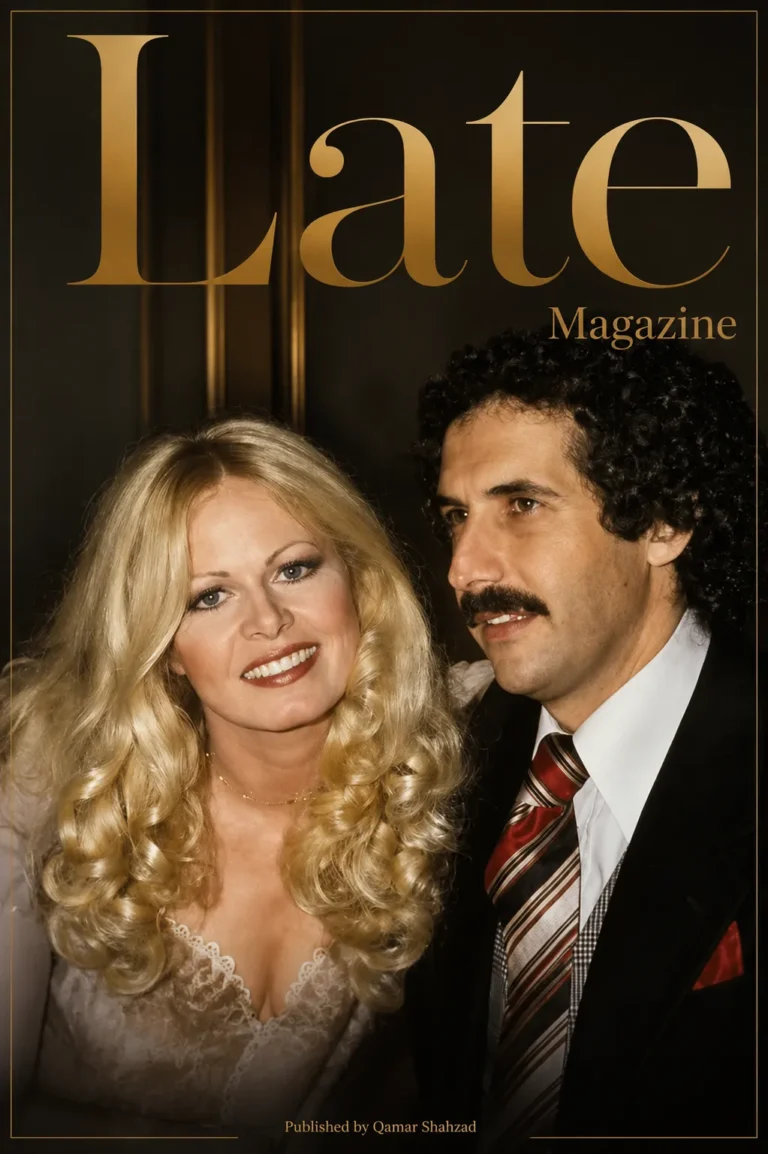

William C. Rader: The Psychiatrist Who Became a Stem Cell Controversy
William C. Rader is an American psychiatrist best known for two very different chapters of his life. For nearly two decades, he was a trusted media voice on eating disorders and addiction. Later, he became one of the most scrutinized figures in the unregulated offshore stem cell industry. He is also widely recognized as the first husband of Emmy-winning actress Sally Struthers. This article traces Rader’s education, his rise as a television medical expert, his marriage to Struthers, his shift into fetal stem cell therapy, and the 2014 decision that stripped him of his California medical license.
Quick Facts
| Category | Details |
|---|---|
| Full Name | William C. Rader |
| Born | 1938 |
| Profession | Psychiatrist, media personality, author, businessman |
| Education | Bachelor’s degree from Lafayette College (1959); M.D. from the State University of New York at Buffalo (1967) |
| Known For | Eating disorder treatment, KABC medical expert, marriage to Sally Struthers, fetal stem cell clinics |
| Spouse | Sally Struthers (married 1977, divorced 1983) |
| Children | Four, including daughter Samantha Struthers Rader |
| Medical License Status | Revoked by the Medical Board of California on November 5, 2014 |
Early Life and Education
William C. Rader was born in 1938. He built his academic foundation at Lafayette College, where he earned a Bachelor of Science degree in business administration in 1959. He went on to attend medical school at the State University of New York at Buffalo, graduating with honors with his M.D. in 1967.
Rader then pursued psychiatry rather than general medicine. He completed his psychiatric residency at the University of Southern California Medical Center, finishing first in his class in 1971. That training set the direction for the first half of his career: clinical mental health work, with a particular focus on addiction and compulsive behavior.
Career Beginnings: Navy Psychiatrist and Early Practice
After finishing his residency, Rader served as chief psychiatrist for the United States Navy’s alcoholism treatment program from 1971 to 1973. He received a naval commendation for that work and later developed a training program for alcoholism counselors. Elements of his family-systems approach to recovery were later adopted at the Betty Ford recovery program at the Eisenhower Medical Center in Rancho Mirage, California.
By 1974, Rader had moved into private practice in Los Angeles. Over the following years he built treatment programs addressing alcoholism, eating disorders, sexual abuse recovery, and, in the early 1990s, HIV and AIDS care through a Mexico City clinic. This period established him as someone willing to take on stigmatized and under-treated conditions at a time when public understanding of them was limited.
Rise to Fame: Television, the Rader Institute, and Hollywood
Rader’s public profile grew rapidly once he became a recurring medical expert for KABC Eyewitness News in Los Angeles, a role he held from 1977 to 1991. He later did similar work for WABC in New York. Newsweek once described him as a highly telegenic Beverly Hills psychiatrist, and his early KABC series on compulsive overeating drew strong viewer attention.
He also appeared as a medical expert on national programs including Hour Magazine and The Home Show and was a frequent guest on daytime talk shows such as Donahue, The Sally Jesse Raphael Show, and Montel Williams. Behind the scenes, he helped select guests and co-produce segments for Geraldo, The Merv Griffin Show, and The Tomorrow Show with Tom Snyder.
In 1984, Rader founded the Rader Institute, a chain of clinics dedicated to treating anorexia, bulimia, and compulsive overeating. Rather than focusing narrowly on weight loss, the program emphasized the emotional and family dynamics behind disordered eating, combining group therapy, family education, and medical monitoring. The Institute expanded to multiple U.S. locations, including Tulsa, Oklahoma, and became one of the largest eating disorder treatment networks of its time.
Rader also had a hand in television and film writing. He co-wrote a 1977 episode of All in the Family in which the character Archie Bunker becomes addicted to diet pills, a storyline meant to highlight the addictive potential of prescription weight loss medication. He also worked as a medical consultant on projects including the TV movie Sarah T: Portrait of a Teenage Alcoholic and the drama Intimate Strangers, which addressed domestic abuse.
In 1981, he published his first book, Dr. Rader’s No-Diet Program for Permanent Weight Loss.
Marriage to Sally Struthers
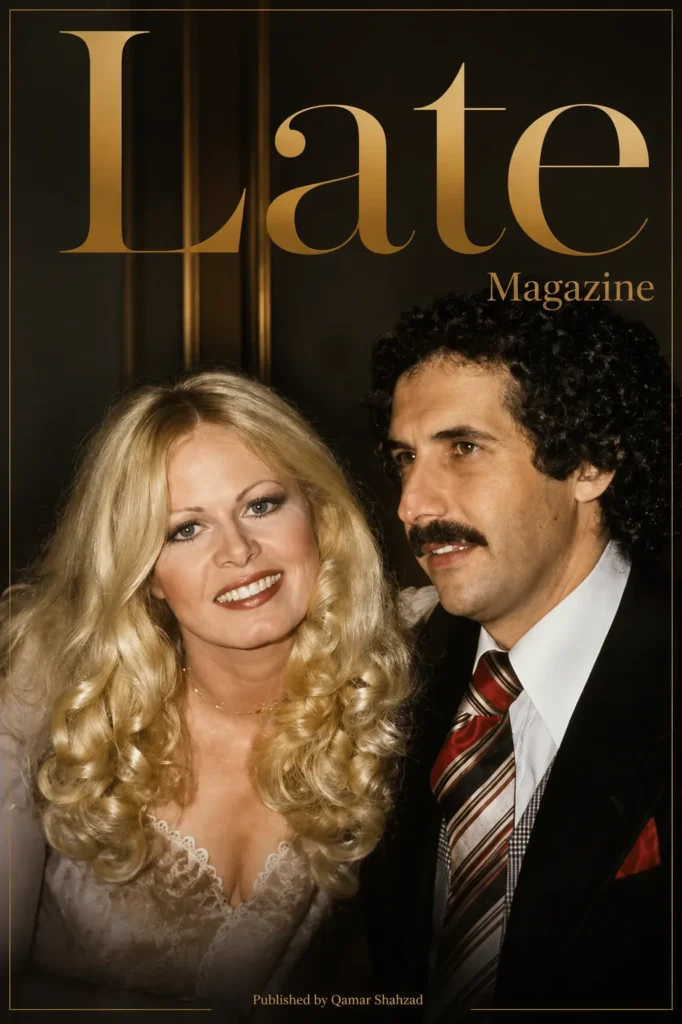
Rader’s connection to Hollywood deepened through his relationship with actress Sally Struthers, who rose to fame playing Gloria Stivic on All in the Family. The two were introduced by Struthers’ co-star Carroll O’Connor. According to Struthers, their relationship moved quickly once they began dating, and she was the one who first suggested marriage.
The couple married on December 18, 1977, in Los Angeles, at the height of Struthers’ fame. Rader had three children from a previous marriage before he and Struthers welcomed a daughter, Samantha, in 1979. The marriage ended in divorce on January 19, 1983.
Samantha Struthers Rader later became a licensed clinical psychologist. She founded Jade Tree Therapy and Sanctuary for Women in Los Angeles and created a therapeutic method called Source Code, which focuses on identifying and changing unconscious coping patterns formed in childhood.
Major Career Shift: From Psychiatry to Fetal Stem Cell Therapy
In the mid-1990s, Rader’s career took a sharp turn. After observing fetal stem cell injections administered at a clinic in Ukraine, he began referring his own patients there in 1995. He soon founded his own clinic, first in the Bahamas. When Bahamian authorities asked him to stop operating there in 2000, following critical media coverage, he relocated to the Dominican Republic. His operation there became known as Medra. By 2007, he had also opened a facility in Tijuana, Mexico, later marketed under the name Stem Cell of America.
Rader claimed his injections could help with conditions ranging from spinal cord injuries to multiple sclerosis to Down syndrome, without offering peer-reviewed research to support those claims. He charged patients roughly $25,000 to $30,000 for an initial treatment, with reduced fees for follow-up injections. He has said he treated between 1,500 and 2,000 patients over the years, though he later disputed that figure under oath.
The scientific and medical community was largely critical. In 2009, the journal Science described Rader as particularly notorious among unregulated offshore stem cell providers for refusing to share information about his cell sourcing and methods. That same year, the BBC’s Panorama investigated his high-pressure sales tactics. A stem cell researcher at the Sanford-Burnham Medical Research Institute publicly dismissed the treatment as having no scientific basis.
Rader has stated he does not know how or why the injections would work, describing the process as something the cells figure out on their own rather than something he can direct.
Medical License Revocation
Complaints from patients and scrutiny from the Medical Board of California eventually led to formal disciplinary proceedings. In 2009, the Board fined Rader for disseminating false and misleading advertising and for operating under an unpermitted business name.
The larger case culminated on November 5, 2014, when the Medical Board of California revoked Rader’s medical license. The Board cited gross negligence, repeated negligent acts, false and misleading advertising, and dishonesty. Its decision stated that dishonesty ran through every part of his business and practices. Attorney Robert Shapiro represented Rader during the proceedings, arguing that foreign physicians, not Rader himself, administered the actual treatments, but the board was not persuaded.
Even after losing his license, Rader continued operating. He rebranded himself as chief scientist rather than medical director and kept marketing stem cell injections administered by a Mexican anesthesiologist in Tijuana. Patients were required to sign confidentiality agreements preventing them from publicly discussing their treatment.
Business Ventures and Publications
Over the years, Rader incorporated several related companies, including Medra Inc., the Dulcinea Institute, Medstem, the Fetal Stem Cell Institute, and Stem Cell of America. He also authored multiple books promoting his approach, including Blocked in the USA: The Stem Cell Miracle, published in 2010.
Public Image and Controversy
Rader’s story reflects two distinct public reputations. For much of the 1970s and 1980s, he was viewed as a credible, camera-friendly psychiatrist helping popularize awareness of eating disorders and addiction at a time when both were poorly understood. From the mid-1990s onward, his image shifted sharply as regulators, journalists, and the broader medical community raised sustained concerns about the safety, legality, and evidence base of his stem cell treatments.
His case is frequently cited in discussions of stem cell tourism, a term used to describe patients traveling abroad for unproven cell-based treatments unavailable or illegal in their home country.
Family and Personal Life
Rader was married and had three children before his marriage to Sally Struthers. He and Struthers had one daughter together, Samantha, born in 1979. Public information about Rader’s life after his California license revocation and subsequent business activity in Mexico is limited, and detailed current information about his personal life is not readily available through verified public sources.
Net Worth
No reliable, independently verified figure for William C. Rader’s net worth has been published by a financial or business authority. Some fan and celebrity data sites list estimated figures, but these are typically calculated using automated formulas based on media visibility rather than verified financial records. Readers should treat any specific net worth number attached to Rader with caution.
Legacy
William C. Rader’s legacy is genuinely split. His early work helped bring eating disorders and addiction into mainstream television conversation at a time when both were rarely discussed publicly, and elements of his family-based recovery approach influenced programs used elsewhere in the addiction treatment field. At the same time, his decades-long promotion of unproven fetal stem cell injections and the regulatory and ethical problems that followed made him a frequently cited example in reporting and academic literature about unregulated offshore medical tourism.
Frequently Asked Questions
Who is William C. Rader? William C. Rader is an American psychiatrist, author, and former television medical expert, known for his early career treating eating disorders and his later, controversial work marketing fetal stem cell injections through offshore clinics.
Was William C. Rader married to Sally Struthers? Yes. Rader married actress Sally Struthers on December 18, 1977. They divorced on January 19, 1983, and had one daughter together, Samantha.
Why was William C. Rader’s medical license revoked? The Medical Board of California revoked his license on November 5, 2014, citing gross negligence, repeated negligent acts, false or misleading advertising, and dishonesty related to his marketing of fetal stem cell treatments.
Does William C. Rader still practice medicine? He no longer holds a California medical license. Reports indicate he continued to be involved in marketing stem cell injections administered by physicians in Mexico after his license was revoked, describing his own role as chief scientist rather than that of a treating physician.
What is William C. Rader’s daughter known for? His daughter, Samantha Struthers Rader, is a licensed clinical psychologist based in Los Angeles. She founded Jade Tree Therapy and created a therapeutic framework called Source Code.
What is William C. Rader’s net worth? No verified net worth figure has been published by a reliable financial source. Estimates found online are unofficial and should be treated as rough approximations at best.
Conclusion
William C. Rader’s career defies a simple summary. He spent nearly two decades as one of American television’s most visible psychiatric voices, building programs that helped normalize treatment for eating disorders and addiction. He then spent nearly three decades more building and defending a global stem cell business that regulators, scientists, and journalists repeatedly challenged, culminating in the loss of his medical license in 2014. Whatever else is said about him, William C. Rader’s life illustrates how a single career can move from mainstream credibility to sustained controversy and why patients evaluating any unconventional medical treatment benefit from independent, evidence-based verification.
Read More: Chappell Roan Biography 2026: Net Worth, Music & Grammy Win