

Target Company Net Worth: A Comprehensive Financial Analysis of the Retail Giant in 2026
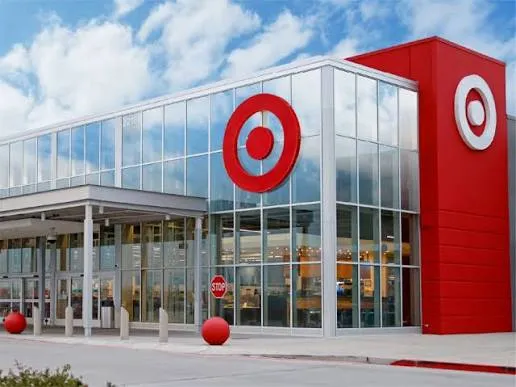
Target Corporation has evolved from a humble discount store in 1902 into one of the most formidable players in the American retail landscape. With over 1,900 stores across the United States, 415,000 employees, and a business model that has successfully bridged the gap between physical retail and e-commerce, the company’s financial standing is a subject of immense interest to investors, analysts, and consumers alike.
As of July 29, 2026, Target’s market capitalization, or net worth, stands at $66.27 billion. This figure represents a significant increase of 37.03% over the past year, reflecting growing investor confidence in the retailer’s strategic direction under new leadership.
What Does “Net Worth” Mean for a Public Company Like Target?
For a publicly traded company, “net worth” is most commonly measured by market capitalization (or market cap). This is the total value of all of a company’s outstanding shares of stock. It is calculated by multiplying the current stock price by the number of shares outstanding.
As of July 29, 2026, Target’s stock price was **$145.90**, with **454.19 million shares outstanding**. This gives the company a market cap of $66.27 billion. This figure represents what the market believes the entire company is worth.
Enterprise Value (EV) offers another perspective on a company’s value. At $82.45 billion, Target’s enterprise value accounts for its debt and cash position, providing a more comprehensive picture of the company’s total value.
Target’s Market Cap History: A Story of Resilience
Target’s journey to a $66 billion valuation has not been linear. The company has weathered economic downturns, shifting consumer behaviors, and intense competition from both traditional retailers and e-commerce giants.
| Date | Market Cap | % Change |
|---|---|---|
| Jul 29, 2026 | $66.27B | +49.71% |
| Dec 31, 2025 | $44.26B | -28.54% |
| Dec 31, 2024 | $61.94B | -5.79% |
| Dec 29, 2023 | $65.75B | -4.16% |
| Dec 30, 2022 | $68.60B | -38.13% |
| Dec 31, 2021 | $110.89B | +25.44% |
Source: StockAnalysis.com
The dramatic fluctuation in Target’s market cap tells a story of a company that has faced significant headwinds. The peak of $110.89 billion in December 2021 was followed by a steep decline of over 38% in 2022, reflecting the broader market downturn and company-specific challenges. However, the recovery in 2026, with a year-to-date increase of nearly 50%, signals renewed investor confidence.
Revenue and Earnings: The Numbers Behind the Valuation
A company’s market cap is ultimately driven by its ability to generate revenue and profits. Target’s financial performance in recent years has been a mix of resilience and challenges.
Revenue Trends
In fiscal year 2025 (ending January 31, 2026), Target reported **net sales of $104.78 billion**. This represents a 1.7% decrease from the previous year’s $106.57 billion. However, for the trailing twelve months (TTM) ending in mid-2026, revenue reached $106.38 billion, indicating a slight recovery in the most recent quarters.
Profitability
Target’s net earnings for fiscal year 2025 were **$3.705 billion**, down 9.4% from the previous year. Operating income declined by 8.1% to $5.117 billion. Despite these declines, the company’s operating income margin remained healthy at 4.9%.
Earnings Per Share (EPS)
Diluted EPS for fiscal year 2025 was **$8.13**, compared to $8.86 in the previous year. The company has forecasted full-year 2026 EPS in the range of $7.50 to $8.50.
What Drives Target’s Value?
1. Omnichannel Leadership
Target has evolved from a pure brick-and-mortar retailer to an omnichannel entity. Its acquisition of Shipt provides same-day delivery of groceries, essentials, home goods, and electronics. Same-day delivery powered by Target Circle 360 grew over 30% in the fourth quarter of 2025.
2. Private Label and Merchandise Authority
Target offers an array of owned and premium branded goods, including popular private labels like Good & Gather, Cat & Jack, and Up & Up. Food & Beverage, Beauty, and Toys delivered net sales growth in the fourth quarter.
3. Non-Merchandise Revenue Growth
Non-merchandise sales grew over 25% in the fourth quarter, with membership revenue more than doubling from a year ago. Double-digit growth from Roundel (Target’s media network) and over 30% growth in marketplace sales further contributed.
4. Digital Transformation
Target’s digital channels include a wide merchandise assortment and a complementary assortment found in stores. Comparable digital sales increased 1.9% in the fourth quarter.
5. Strategic Investments
The company is planning more than $2 billion in incremental investments across the business, including more than a $1 billion increase in capital expenditures. These investments are focused on strengthening merchandising authority, delivering an elevated shopping experience, advancing technology, and serving teams and communities.
Target’s Financial Position
| Metric | Value |
|---|---|
| Market Cap | $66.27B |
| Enterprise Value | $82.45B |
| Revenue (TTM) | $106.38B |
| Net Income (TTM) | $3.45B |
| PE Ratio | 19.05 |
| Forward PE | 16.86 |
| PS Ratio | 0.63 |
| PB Ratio | 3.99 |
| ROE | 22.02% |
| Debt/Equity | 1.18 |
| Dividend | $4.64 (3.18% yield) |
Source: StockAnalysis.com
Target vs. Competitors: How Does It Compare?
| Company | Market Cap |
|---|---|
| Costco (COST) | $442.97B |
| TJX Companies (TJX) | $178.86B |
| Ross Stores (ROST) | $71.25B |
| Target (TGT) | $66.27B |
| Dollar General (DG) | $25.49B |
Source: Macrotrends.net
While Target trails behind warehouse club giant Costco and off-price retailers like TJX and Ross Stores, it remains a significant player in the discount retail sector.
What’s Next for Target?
Under the leadership of new CEO Michael Fiddelke, Target is focused on returning to growth in 2026. The company has forecasted net sales growth around 2% compared with 2025, with a small increase in comparable sales. The company expects to grow net sales in every quarter of the year.
Target is writing its next chapter of growth, rooted in strengthening merchandising authority, delivering an elevated and differentiated shopping experience, advancing technology, and continuing to serve and invest in its team and communities. The company’s ability to execute on these strategic priorities will determine whether its $66 billion net worth continues to grow.
The Bottom Line
Target’s net worth of $66.27 billion reflects a company that has navigated a challenging retail environment with resilience. While revenue and profits have declined from their peaks, the company’s strategic investments in omnichannel capabilities, private labels, and digital transformation position it for future growth.
Investors and analysts will be watching closely to see whether Target can deliver on its 2026 guidance and sustain the momentum that has driven its market cap higher in recent months. With a strong balance sheet, a loyal customer base, and a clear strategic vision, Target appears well-positioned to write its next chapter of growth in the years ahead.
Target’s net worth is not just a number. It is a reflection of the company’s past performance, its current position, and its future potential in the ever-evolving retail landscape.
Read More: Whitney Webb Net Worth: Inside the Journalist’s $2M Fortune